Surah Mulk Benefits: Protection in the Grave
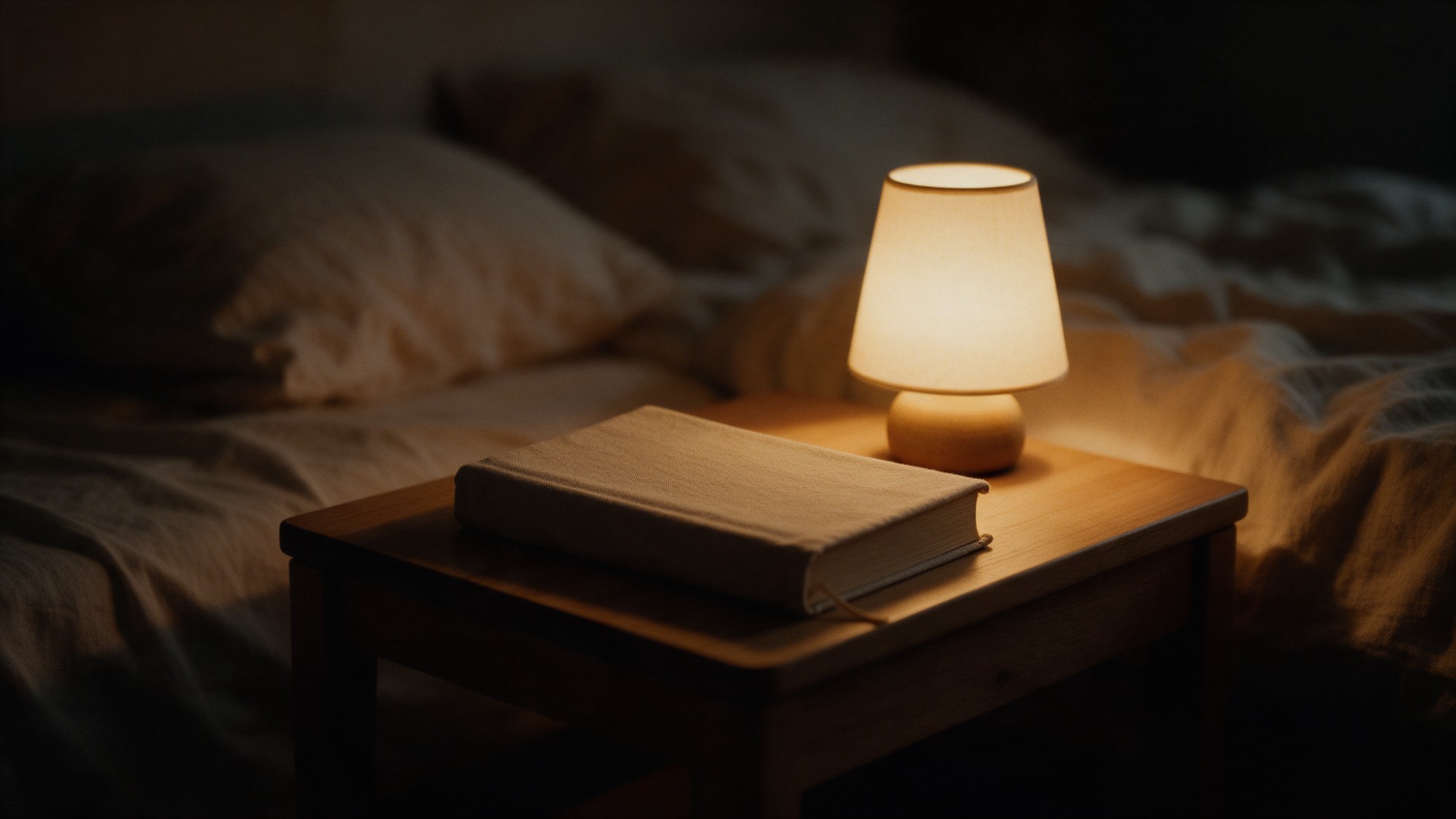
For a lot of people, Surah Mulk is the one a grandparent read at night. The lights would go off and you’d hear it from the next room, Tabarak alladhi biyadihil mulk, the same thirty ayahs every night.
There’s a reason it became that habit across so many families. Unlike some surahs whose “benefits” are passed around without a source, Al-Mulk has authentic hadith behind it. You can read it every night knowing exactly what was said about it and by whom.
What Surah Mulk is
Al-Mulk is the 67th surah of the Quran. It has 30 ayahs and was revealed in Makkah. The name means “the Dominion” or “the Sovereignty”, from its first line. It opens the 29th juz, which is why that juz is often called Tabarak.
It’s short, about two and a half pages in a standard mushaf. At a normal pace it takes around ten minutes.
What the authentic hadith say
It intercedes until a person is forgiven. Abu Hurairah (may Allah be pleased with him) reported that the Prophet ﷺ said:
“Indeed there is a Surah in the Qur’an of thirty ayat, which intercedes for a man until he is forgiven. It is Tabarak Alladhi Biyadihil-Mulk.” (Jami’ at-Tirmidhi 2891, graded hasan by at-Tirmidhi)
It protects from the punishment of the grave. Abdullah ibn Mas’ud (may Allah be pleased with him) said that whoever reads Al-Mulk every night, Allah will protect him from the torment of the grave. He added that in the time of the Prophet ﷺ they called this surah al-mani’ah, “the one that protects”. Shaykh al-Albani accepted this narration in Sahih at-Targhib (1475).
The Prophet ﷺ read it before sleeping. Jabir (may Allah be pleased with him) reported that the Prophet ﷺ would not sleep until he had recited Surah As-Sajdah and Surah Al-Mulk (Jami’ at-Tirmidhi 2892). Scholars differ on the strength of this particular chain, so it’s fair to say so. The nightly habit doesn’t depend on it, since Ibn Mas’ud’s words above already mention reading it every night.
Put together, that’s a clear picture: a short surah, read regularly, that stands up for the person who read it.
What the surah actually says
It’s easy to recite Al-Mulk every night for years without knowing what’s in it. The protection in the hadith is tied to a surah with a very specific message. Here are some of the ayahs that carry it.
It opens with why we’re here at all:
تَبَـٰرَكَ ٱلَّذِی بِیَدِهِ ٱلۡمُلۡكُ وَهُوَ عَلَىٰ كُلِّ شَیۡءࣲ قَدِیرٌ ٱلَّذِی خَلَقَ ٱلۡمَوۡتَ وَٱلۡحَیَوٰةَ لِیَبۡلُوَكُمۡ أَیُّكُمۡ أَحۡسَنُ عَمَلࣰاۚ وَهُوَ ٱلۡعَزِیزُ ٱلۡغَفُورُ
“Blessed is He in whose hand is dominion, and He is over all things competent. [He] who created death and life to test you [as to] which of you is best in deed, and He is the Exalted in Might, the Forgiving.”
Nihayat buzurg-o-bartar hai woh jiske haath mein qayinaat ki sultanat hai , aur woh har cheez par qudrat rakhta hai. Jisne maut aur zindagi ko ijaat kiya taa-ke tum logon ko aazma kar dekhey tum mein se kaun behtar amal karne wala hai, aur woh zabardast bhi hai aur darguzar farmane wala bhi.
(Surah Al-Mulk 67:1-2)
Life and death are both created, and both are a test. Notice what’s being tested: not who does the most, but who does best.
Then it asks you to look up:
ٱلَّذِی خَلَقَ سَبۡعَ سَمَـٰوَ ٰتࣲ طِبَاقࣰاۖ مَّا تَرَىٰ فِی خَلۡقِ ٱلرَّحۡمَـٰنِ مِن تَفَـٰوُتࣲۖ فَٱرۡجِعِ ٱلۡبَصَرَ هَلۡ تَرَىٰ مِن فُطُورࣲ ثُمَّ ٱرۡجِعِ ٱلۡبَصَرَ كَرَّتَیۡنِ یَنقَلِبۡ إِلَیۡكَ ٱلۡبَصَرُ خَاسِئࣰا وَهُوَ حَسِیرࣱ
“[And] who created seven heavens in layers. You do not see in the creation of the Most Merciful any inconsistency. So return [your] vision [to the sky]; do you see any breaks? Then return [your] vision twice again. [Your] vision will return to you humbled while it is fatigued.”
Jisne teh-bar-teh saat (seven) aasman banaye tum Rehman ki takhleeq (creation) mein kisi kism ki be-rabti (incongruity) na paogey phir palat kar dekho, kahin tumhein koi khalal (flaw) nazar aata hai? Baar baar nigaah daudao tumhari nigaah thak kar na-murad palat aayegi.
(Surah Al-Mulk 67:3-4)
Look at the sky, then look again. You won’t find a flaw. It’s an invitation to notice how carefully everything around you was made, and by Whom.
It reminds you that nothing is hidden:
وَأَسِرُّوا۟ قَوۡلَكُمۡ أَوِ ٱجۡهَرُوا۟ بِهِۦۤۖ إِنَّهُۥ عَلِیمُۢ بِذَاتِ ٱلصُّدُورِ أَلَا یَعۡلَمُ مَنۡ خَلَقَ وَهُوَ ٱللَّطِیفُ ٱلۡخَبِیرُ
“And conceal your speech or publicize it; indeed, He is Knowing of that within the breasts. Does He who created not know, while He is the Subtle, the Acquainted?”
Tum khwah chupke se baat karo ya unchi aawaz se (Allah ke liye yaksa hai) woh to dilon ka haal tak jaanta hai. Kya wahi na jaanega jisne paida kiya hai? Halanke woh baareek-been aur bakhabar hai?
(Surah Al-Mulk 67:13-14)
The One who made you knows what you whisper and what you only think. For a surah read in the dark, just before sleep, that lands differently.
It points to your daily provision:
هُوَ ٱلَّذِی جَعَلَ لَكُمُ ٱلۡأَرۡضَ ذَلُولࣰا فَٱمۡشُوا۟ فِی مَنَاكِبِهَا وَكُلُوا۟ مِن رِّزۡقِهِۦۖ وَإِلَیۡهِ ٱلنُّشُورُ
“It is He who made the earth tame for you, so walk among its slopes and eat of His provision, and to Him is the resurrection.”
Wahi to hai jisne tumhare liye zameen ko taabeh kar rakkha hai , chalo uski chaati par aur khao khuda ka rizq, usi ke huzoor tumhein dobara zinda ho kar jana hai.
(Surah Al-Mulk 67:15)
The ground you walk on and the food you eat are His provision, and the last words of the ayah say where it all leads.
And it ends with a question about water:
قُلۡ أَرَءَیۡتُمۡ إِنۡ أَصۡبَحَ مَاۤؤُكُمۡ غَوۡرࣰا فَمَن یَأۡتِیكُم بِمَاۤءࣲ مَّعِینِۭ
“Say, ‘Have you considered: if your water was to become sunken [into the earth], then who could bring you flowing water?’”
Inse kaho, kabhi tumne yeh bhi socha ke agar tumhare kuwon (wells) ka pani zameen mein utar jaye to kaun hai jo is pani ki behti hui sotein (flowing water) tumhein nikal kar la dega?
(Surah Al-Mulk 67:30)
It’s a quiet, ordinary question to end on. If the thing you need most simply disappeared, who would bring it back? It leaves you with your own dependence on Allah, right before you close your eyes.
Why at night?
The Quran describes Allah taking souls during sleep and returning some of them (Surah Az-Zumar 39:42). You lose awareness, and you don’t choose whether you wake up. Reading a surah about life, death, accountability and the grave just before that moment fits. It also means that if a night is ever your last, it ended with Al-Mulk.
The practical reason matters too. Night is the one time most people are reliably still. Tying Al-Mulk to going to bed makes it one of the easiest daily habits to keep.
How to make it a habit
- Anchor it to Isha or to bedtime. Whichever you do more consistently, attach Al-Mulk to it.
- Read the meaning first. Go through the Roman Urdu or English meaning once, slowly. After that, the Arabic will mean something each night.
- Memorise one ayah a day. Thirty ayahs means you’ll know the whole surah in a month. Then you can recite it with the lights off, the way many grandparents did.
- Don’t drop it on a missed night. If you skip one, read it the next night. A habit that survives a missed day lasts.
Watch: Surah Al-Mulk
If the video doesn’t load, watch it on YouTube.
Read it with the meaning, every night
The Get Quran app has all 30 ayahs of Surah Al-Mulk in Arabic, with Roman Arabic to help you recite and the Roman Urdu meaning alongside. It’s a good way to read it with understanding before you sleep, and to memorise it one ayah at a time. It’s free on iOS and Android, with no ads.
You can also read Surah Al-Mulk online here, right in your browser. If you’re looking for more surahs to read in difficult moments, see our guide to the best surahs for peace and protection.
Get the App · Free on iOS & Android
Full Quran in 45+ languages. Roman Urdu. Prayer times. Qibla. Zero ads. Forever free.